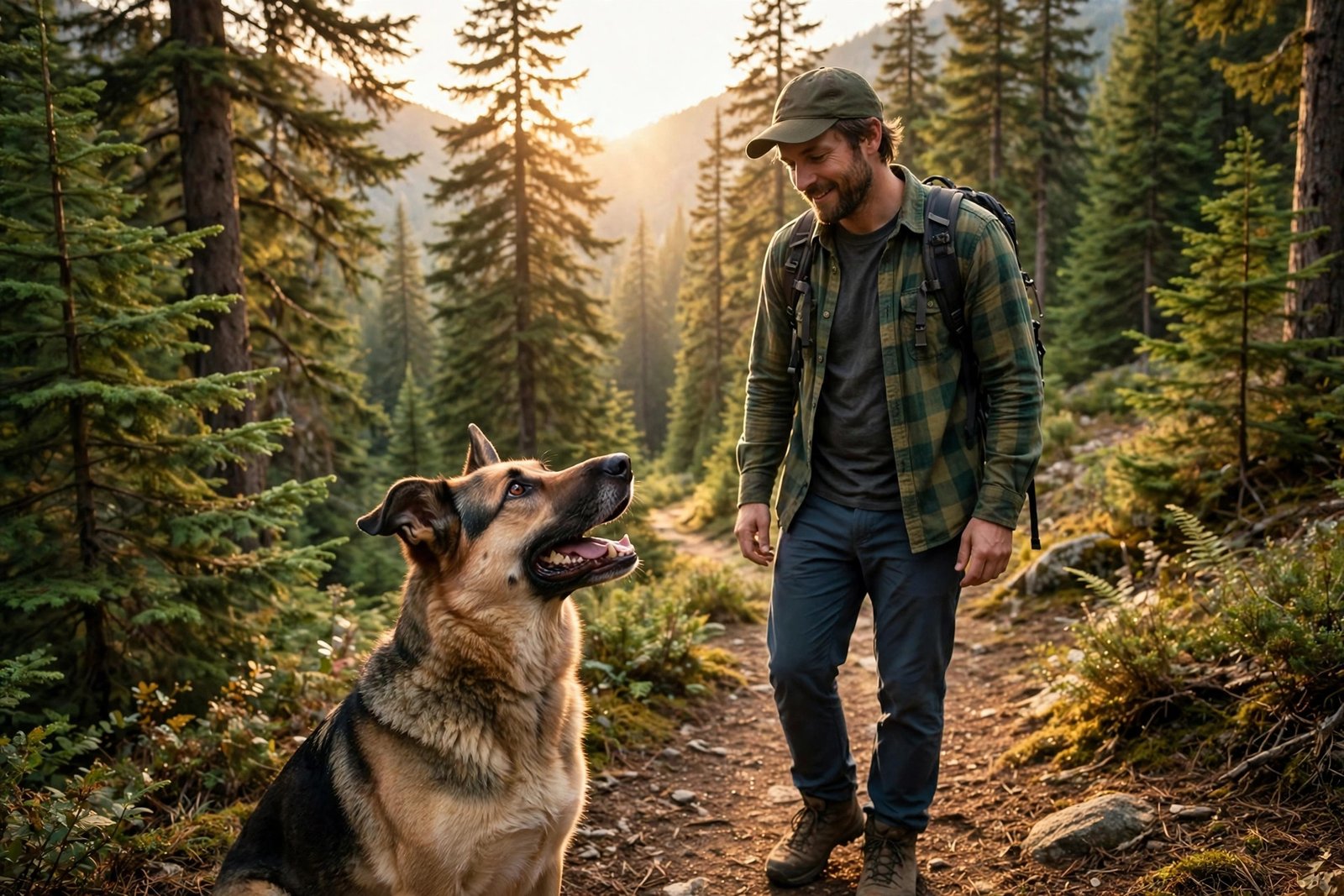
Joey Martin packed the car in Portland with one thing on his mind: adventure. He and Maximus — Max, his big, goofy German Shepherd mix — were heading to Auburn, Washington, with Olympic National Park waiting on the other side of the trip. It was supposed to be the kind of getaway dog owners dream about. Long trails. Fresh air. Man and dog, side by side.
They never made it to the park. And what happened instead became one of the most emotional dog stories of the fall — a story about a medical emergency, a microchip, a family that gave a dog back, and a reunion that was caught on camera.
The Trip That Was Supposed to Be an Adventure
For Joey, Max isn’t just a pet. He’s an approved emotional support animal — the steady, grounding presence that helps Joey live with PTSD and anxiety. The two had been through a lot together before this trip, and Joey describes their bond in the way only someone who has truly needed a dog can: strong, unruly, a big beautiful goof he’d loved since the day they met.
A road trip to the Olympic Peninsula felt like the perfect reward. Auburn was the first stop, a place to rest before the real exploring began. But shortly after they arrived, everything went sideways.
A Medical Emergency Changes Everything
Without warning, Joey suffered a medical emergency serious enough to send him to the hospital. It was sudden and disorienting — the kind of crisis where there is no time to make plans. He ended up in a hospital bed with no wallet and no cell phone, cut off from the outside world.
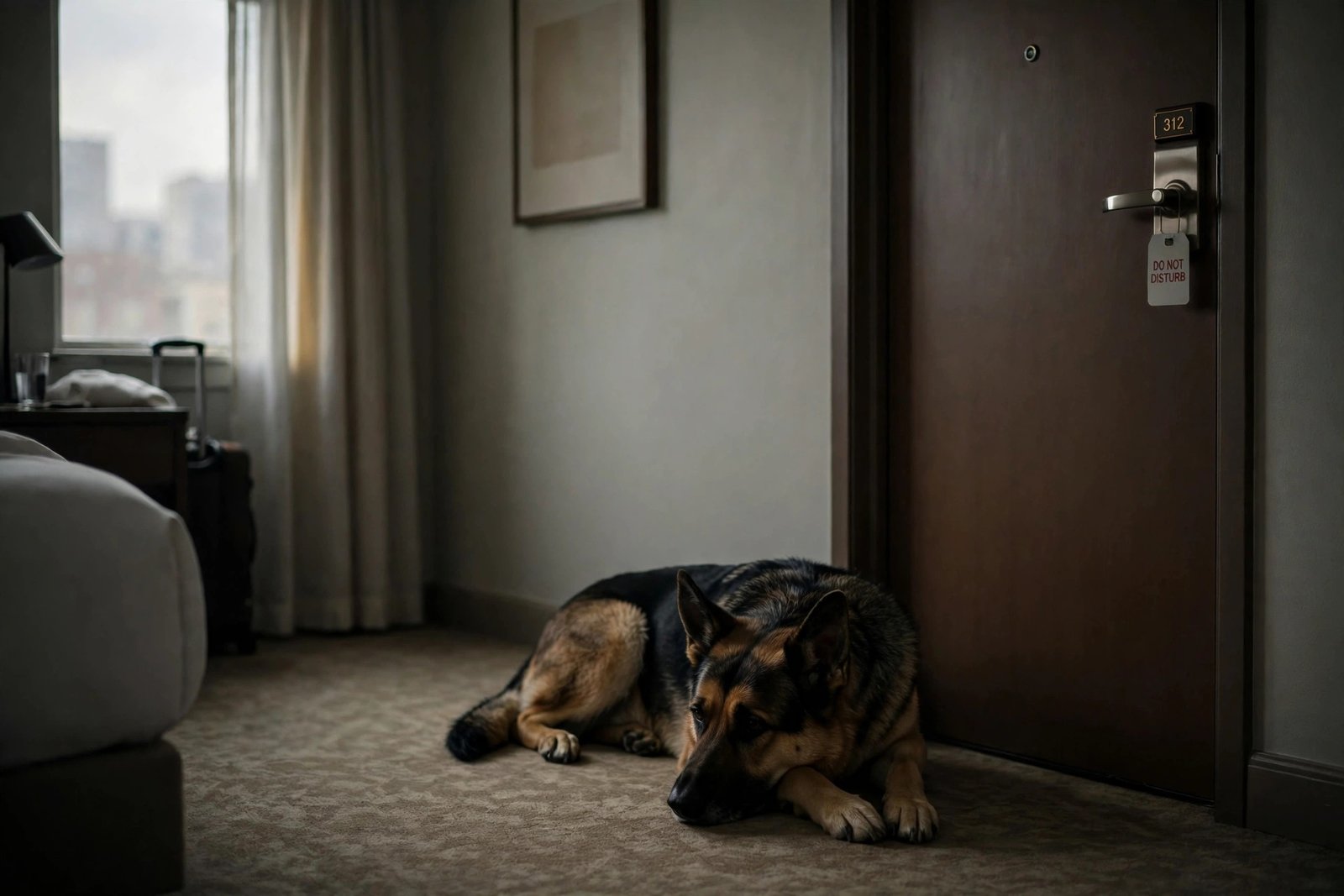
And back at the hotel, Max was waiting alone in the room.
The hotel staff had no idea where their guest had gone. All they knew was that a dog was alone in a room and his owner wasn’t coming back. After repeated, unsuccessful attempts to reach Joey, they did the responsible thing: they called animal control.
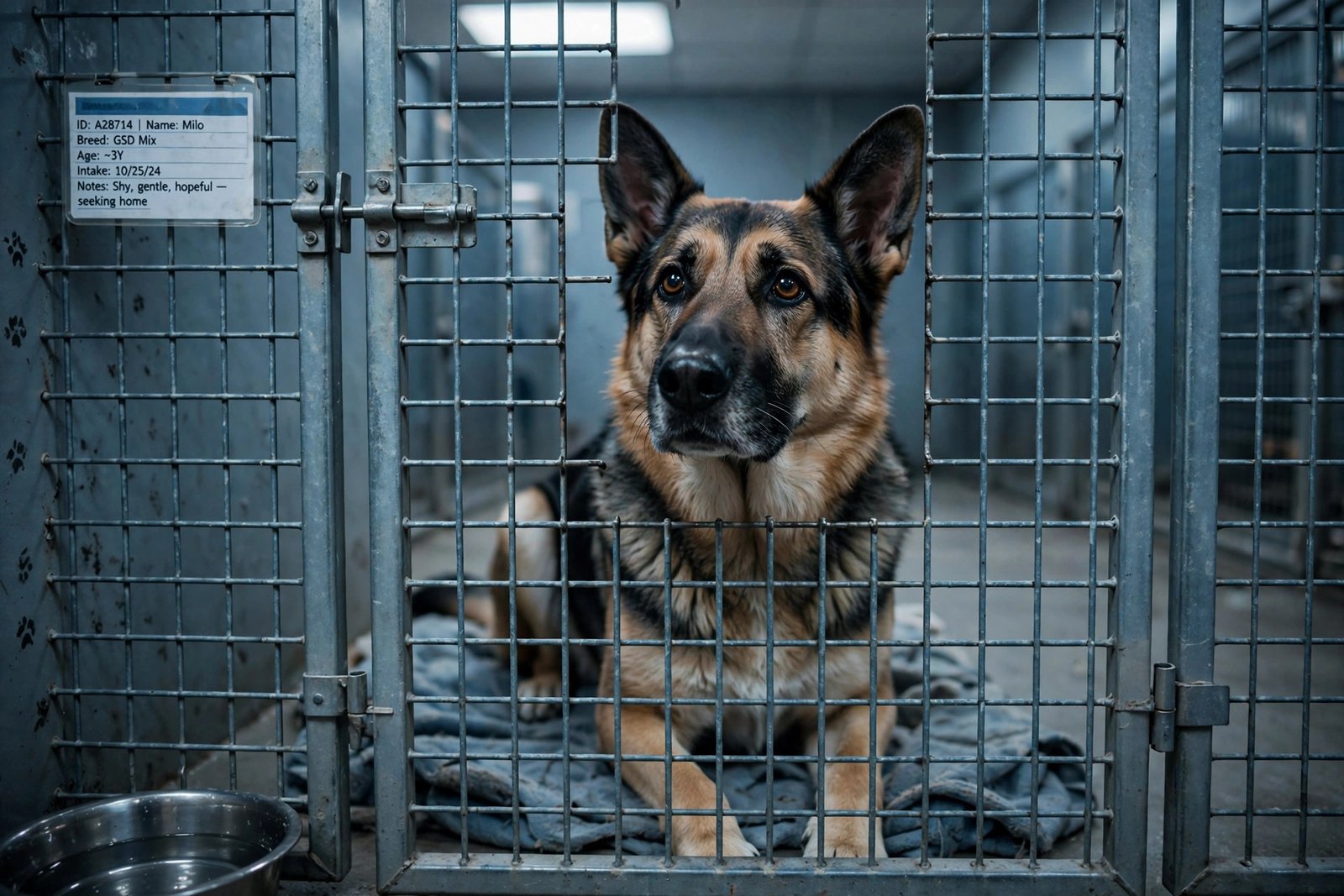
Max was taken to the local animal rescue — the Auburn Valley Humane Society.
Three Days of Unanswered Calls
When Max arrived at the shelter, staff did what good shelters do first: they scanned him for a microchip. He had one. For a moment, it looked like the problem was solved — they had a name, a number, a way home.
But the calls went nowhere. Emails went unanswered. Texts sat unread.
“We spent three days making phone calls and emails and texts with no response,” said Phil Morgan, the CEO of Auburn Valley Humane Society. Three full days of trying. And nobody at the shelter knew the reason: the man they were trying to reach was lying in a hospital bed without his phone, with no idea any of this was happening.
A microchip only works if someone can answer the other end of the line.
The Decision No Shelter Wants to Make
Here’s the part of the story that stings. Shelters can’t hold every stray indefinitely — space, resources, and the needs of other animals all press in. After exhausting every way they had to reach Joey, the shelter made the call shelters are sometimes forced to make: Max was put up for adoption.
And he was adopted. A new family took him home, gave him a name in their household, and started building a life with him. From their perspective, they had done everything right — they’d adopted a shelter dog who needed a home.
Meanwhile, Joey was being released from the hospital, walking out into a world where his best friend was simply… gone.
The Phone Call That Changed It All Back
When Joey finally learned what had happened to Max, he was devastated — and he moved fast. He contacted the Auburn Valley Humane Society and explained everything: the medical emergency, the hospital, the lost phone, the three weeks of silence that weren’t his choice.
To their credit, the shelter didn’t shrug. They reached out to Max’s new family and told them the whole story — who Joey was, what Max meant to him, and the extraordinary circumstances that had separated them.
And then the family did something remarkable.
They could have said no. Legally, Max was theirs. They had adopted him in good faith and loved him. Nobody would have blamed them for keeping him. But when they heard how deep the bond ran between Joey and his emotional support dog — a dog who helps his owner face PTSD and anxiety every single day — they understood.
They agreed to give Max back.
“It went well and we’re very happy that they saw the importance and the need to reunite Max with his owner,” Morgan said. It is easy to read that as a polite statement. It is harder to grasp what it cost that family to say yes — and what it gave Joey to hear it.
A Reunion Caught on Camera
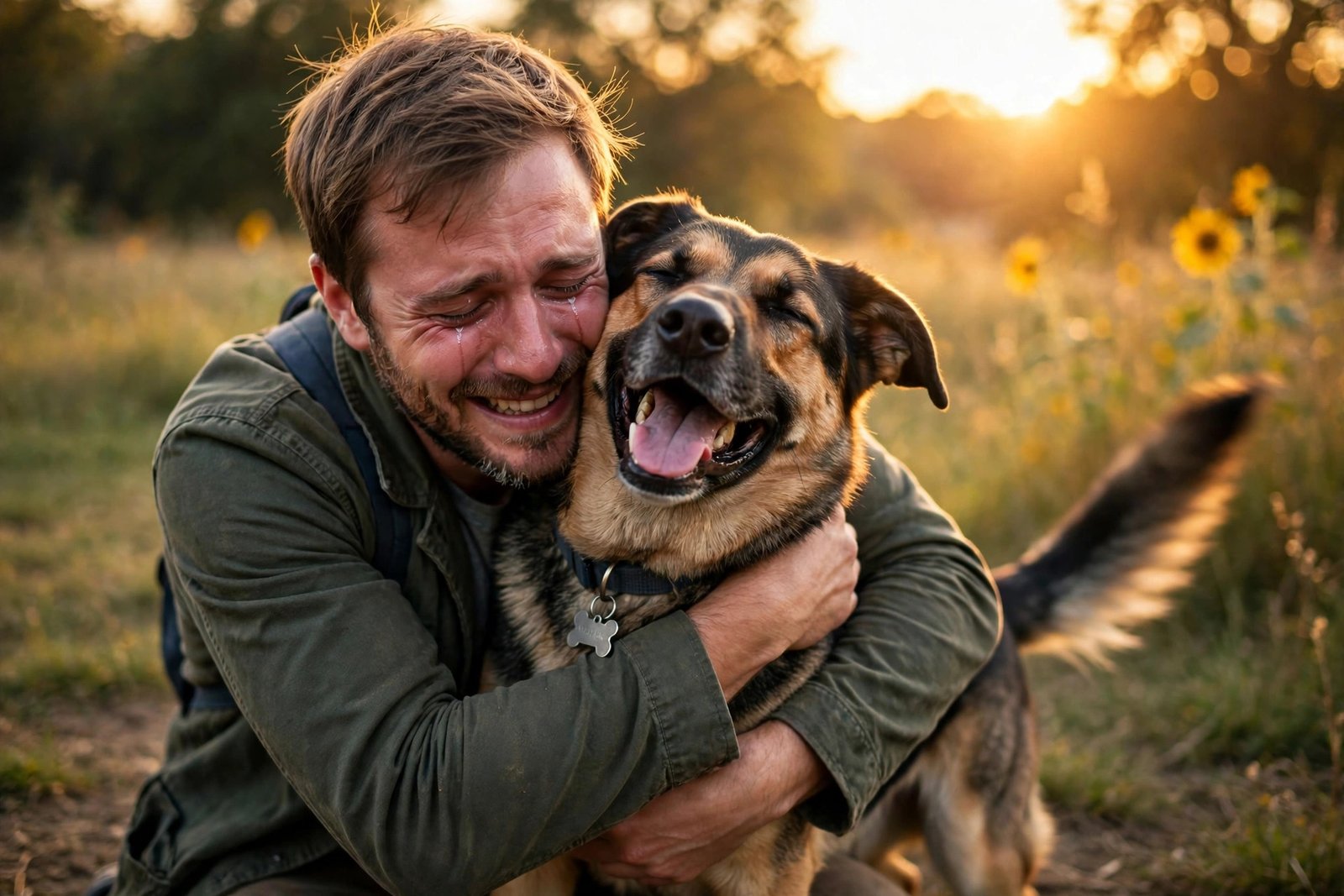
The reunion itself was everything you’d hope for. A local news station captured the moment Joey and Max were finally back together after nearly three weeks apart — the kind of footage where you can feel the relief coming off the screen. Joey, overwhelmed, said he was thankful beyond words, that so many people had played a part in getting Max back, and that all he wanted now was to bring his boy home and hold him close.
Think about what Max lived through in those three weeks: a strange hotel room, a shelter kennel, a new family, and then — impossibly — his person again. Dogs don’t understand explanations. They only understand who shows up. And in the end, the right person showed up.
The Lesson Every Dog Owner Should Hear
There’s a practical takeaway buried in this emotional story, and the shelter wants every dog owner to hear it. Updating your pet’s microchip information — and adding a secondary contact person to the record — increases the likelihood of a reunion by 30%. A backup contact is the difference between three days of unanswered calls and a single phone call that brings your dog home.
Emergencies don’t announce themselves. Joey did almost everything right — his dog was microchipped, he was a devoted owner — and still, one missing backup contact nearly cost him everything. If you take one action after reading this, let it be this: check your dog’s microchip registration today, and add someone else who can answer the phone if you can’t.
Why This Story Matters
Stories like this travel fast because they hold two truths at once. The first is frightening: the people and systems we trust can lose our dogs through no one’s fault, in the space of a single bad day. The second is hopeful: ordinary people — shelter workers who kept calling, a family who gave a dog back — can put the world right again.
Max is home now, healthy and back where he belongs. Joey has his emotional support, his adventure buddy, his big beautiful goof. And somewhere in Washington, there’s a family with an empty dog bed and a full heart, who did one of the kindest things a person can do: they loved a dog enough to let him go home.
Have you checked your dog’s microchip info lately? Share this story with someone who needs the reminder.