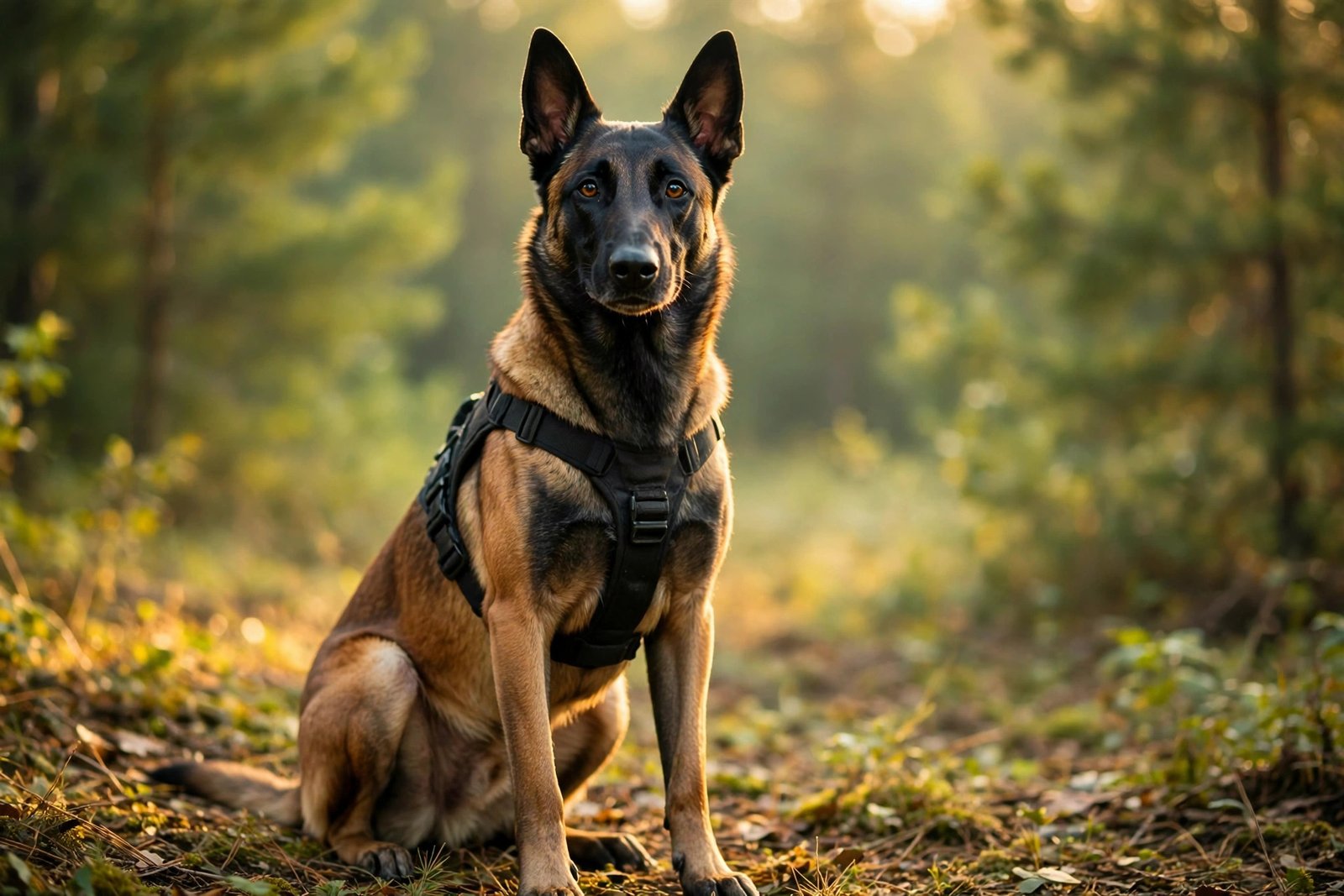
For 575 days, a Belgian Malinois named Major lived in isolation, locked in a kennel while lawyers and judges debated whether he deserved to live. His owner, a 57-year-old veteran, refused to give up. On October 26, 2026, a federal judge finally said the words thousands of people had been waiting to hear: Major will not be euthanized.
This is the story of how close one dog came to dying — and the man who spent everything he had to bring him home.
The accident that changed everything
The ordeal began on March 31, 2025, in Austin, Texas. Shane Lilly was out walking with Major when the dog was struck by a truck. In the panic that followed, Lilly ran to get his phone. A woman nearby stepped in, trying to help the injured dog into a vehicle.
Major bit her on the arm.
It was a single bite, delivered by a dog in pain, shock, and terror. But under city rules, that bite set a machine in motion that Lilly could not stop. Austin officials took custody of Major and obtained a court order authorizing euthanasia, arguing that the 3-year-old, 65-pound Belgian Malinois posed a serious threat to public safety.
Lilly saw it very differently. “Major is not an aggressive animal,” he told reporters. “Major has no interest in bothering people or other animals. He is a happy dog. He plays gently.”
But the city’s position was firm, and the legal system seemed stacked against him.
Locked away, fading away
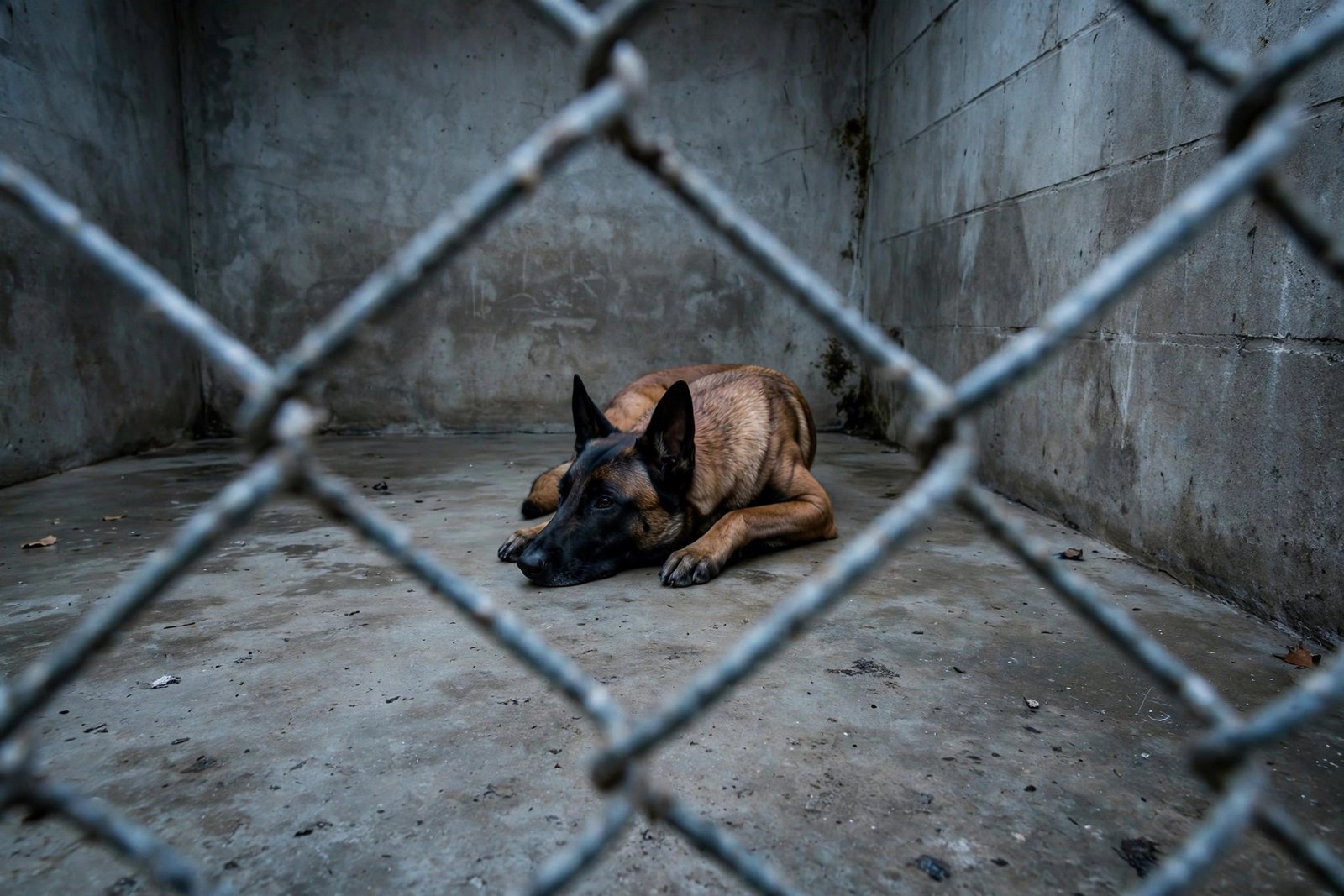
Major spent the next 575 days isolated in a kennel. For a young, athletic Belgian Malinois — a breed that thrives on work, movement, and human connection — the confinement was devastating. Supporters who followed the case described a dog fading in isolation, cut off from the only person who loved him.
One supporter summed up what so many felt: “After 575 days in captivity, this precious boy finally has a chance at a better life! My heart breaks thinking about the isolation he endured for so long, without the comfort of human touch or companionship.”
A veteran’s last stand
Lilly fought back with everything he had. He filed lawsuit after lawsuit challenging the city’s euthanasia order. Even the Texas Supreme Court turned him down.
In September, with his options nearly exhausted, Lilly took one final step. He filed a federal lawsuit arguing that the City of Austin had violated the Americans with Disabilities Act by failing to consider Major’s role as his service animal. Lilly said Major helps him manage seizures resulting from a traumatic brain injury — a lifeline, not just a pet.
Supporters had long argued the same point: any dog in pain would lash out. Major wasn’t a monster; he was a wounded animal who reacted the way wounded animals do.
The public rallied behind him. More than 89,000 people signed a petition calling for Major to be spared, and supporters protested outside the courthouse. The case became a national story — a referendum on whether one panicked bite should end a life.
The ruling that saved a life
On September 29, U.S. District Judge David Alan Ezra said he would consider the case before issuing a final decision. Supporters waited through a nail-biting month. Then, on October 26, the ruling came: the federal court permanently stopped the City of Austin from euthanizing Major.
The order ends a lengthy, brutal legal battle in which Lilly fought to save his beloved companion. Austin officials said they would comply with the judge’s order, though they added they remain concerned about the dog’s public safety risk “and hope that Major gets the care and attention he needs.”
Across the country, people celebrated. “This is WONDERFUL news!!” one supporter wrote. “I’ve been checking on it everyday. So relieved,” added another.
What happens next for Major
Major’s fight isn’t over yet. Under the court order, Austin officials must release him to a rescue organization within 30 days, giving the 3-year-old dog a chance at rehabilitation and a reunion with Lilly.
He will first be transferred to a secure enclosure outside Austin, where he will undergo at least 30 days of decompression and behavioral evaluation. During that time, only Lilly and Kenneth Martin, a designated behavioral veterinarian, will be permitted to be with Major while Martin assesses whether the dog can be safely returned to Lilly.
Major will not be permitted to roam among the general public again, and Lilly must take out at least $100,000 in liability insurance to cover potential damages if Major ever bites someone again.
For a dog who has known nothing but a kennel for 575 days, those 30 days of decompression will be the beginning of learning how to live again — and the reunion waiting at the end may be the happiest part of the whole story.
Why Major’s story matters
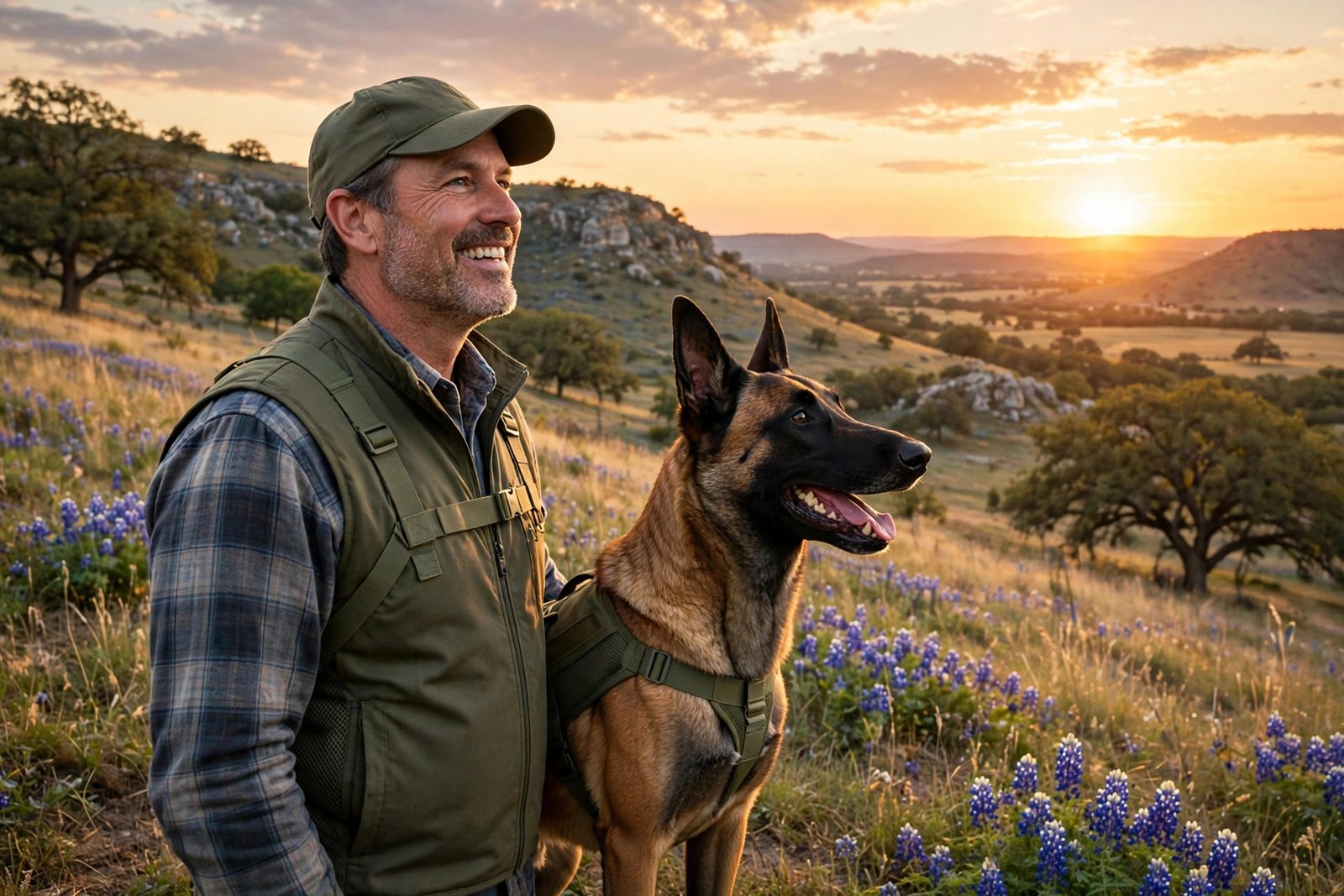
Major loves to run and play. Those are the simple facts of who he is, according to the man who knows him best. He is not a threat. He is a service dog who did what frightened, injured dogs sometimes do — and nearly paid for it with his life.
Cases like Major’s force an uncomfortable question: how many good dogs are euthanized every year for a single moment of panic? The city’s position wasn’t cruel for its own sake — public safety matters. But Lilly’s fight, and the judge’s ruling, argue that a dog’s entire life should weigh more than its worst moment.
For now, Major gets what 575 days in a kennel could not take from him: a chance. A chance to decompress, to rehabilitate, to feel his owner’s hand again. For Shane Lilly, who never stopped believing in his dog, that chance is everything.
And for everyone who signed the petition, showed up at the courthouse, and checked the news every day — it’s proof that sometimes, refusing to give up actually works.
Major’s evaluation period is ongoing. We’ll update this story as his reunion with Lilly approaches.