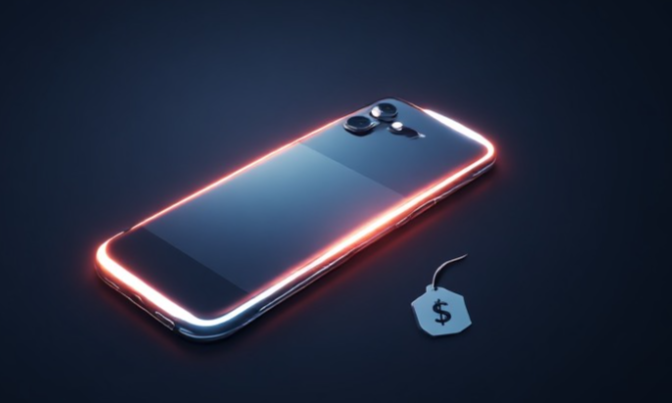
After years of speculation and leaks, Apple has finally released its first foldable iPhone. Unveiled at the company’s September event, the device enters a category that Samsung, Google and Motorola have already been competing in for several years — and it arrives with a price tag to match Apple’s reputation for premium pricing: a starting price of around $2,000.
Why Apple Waited So Long
Apple has historically taken a cautious approach to new form factors, often letting competitors work through early design and durability issues before entering a category itself. Foldable phones have had a rocky history — early models from other manufacturers faced criticism over visible screen creases, hinge durability and software that wasn’t optimized for a folding display.
Apple reportedly focused heavily on solving the crease problem, aiming for a display that folds without the visible line down the middle that has been a common complaint about competing foldables.
What’s Different About Apple’s Foldable
The device is expected to feature a book-style folding design, similar to Samsung’s Galaxy Z Fold series, rather than a flip-style design like the Galaxy Z Flip or Motorola Razr. Reports ahead of launch pointed to a roughly 7.8-inch inner display when unfolded and a smaller external display for everyday use when closed — sizing that puts it in direct competition with Samsung’s current Fold lineup.
Why It Costs So Much
A starting price near $2,000 makes this the most expensive iPhone Apple has ever released. Several factors are driving that cost: the folding OLED display itself, the hinge mechanism engineered to minimize creasing and improve durability, and the more complex internal engineering required to fit a battery, cameras and chip into a device that needs to fold in half without breaking down over years of daily use.
That price positions it roughly in line with Samsung’s Galaxy Z Fold series, rather than dramatically higher — though it remains a significant jump from Apple’s standard flagship pricing.
Is It Worth It?
For most people, the honest answer is: probably not yet — at least not as a first purchase. Foldable phones remain a premium, early-adopter category. They offer a larger screen for multitasking, reading and watching video without carrying a tablet, but they also come with trade-offs: added bulk when folded, a higher price, and a newer hardware category with less of a multi-year track record for long-term durability compared to Apple’s standard iPhone line.
For people who already rely heavily on tablet-sized screens for work, or who’ve been eyeing Samsung and Google’s foldables and simply wanted an Apple option, this is likely the device they’ve been waiting for.
What Happens Next
Apple’s entry into the foldable market is expected to put pressure on competitors to continue innovating on price and durability, and analysts expect the overall foldable phone market to grow as more consumers become comfortable with the format. Some estimates suggest Apple could sell tens of millions of foldable iPhones over the next several years as the technology matures and prices potentially come down in future generations.
Key Takeaways
- Apple has released its first foldable iPhone, starting at approximately $2,000 — the most expensive iPhone ever made.
- It uses a book-style folding design, similar to Samsung’s Galaxy Z Fold series.
- The high price reflects the cost of the folding display, hinge engineering and internal design challenges.
- It’s a premium, early-adopter device — most buyers may want to wait for a second or third generation.