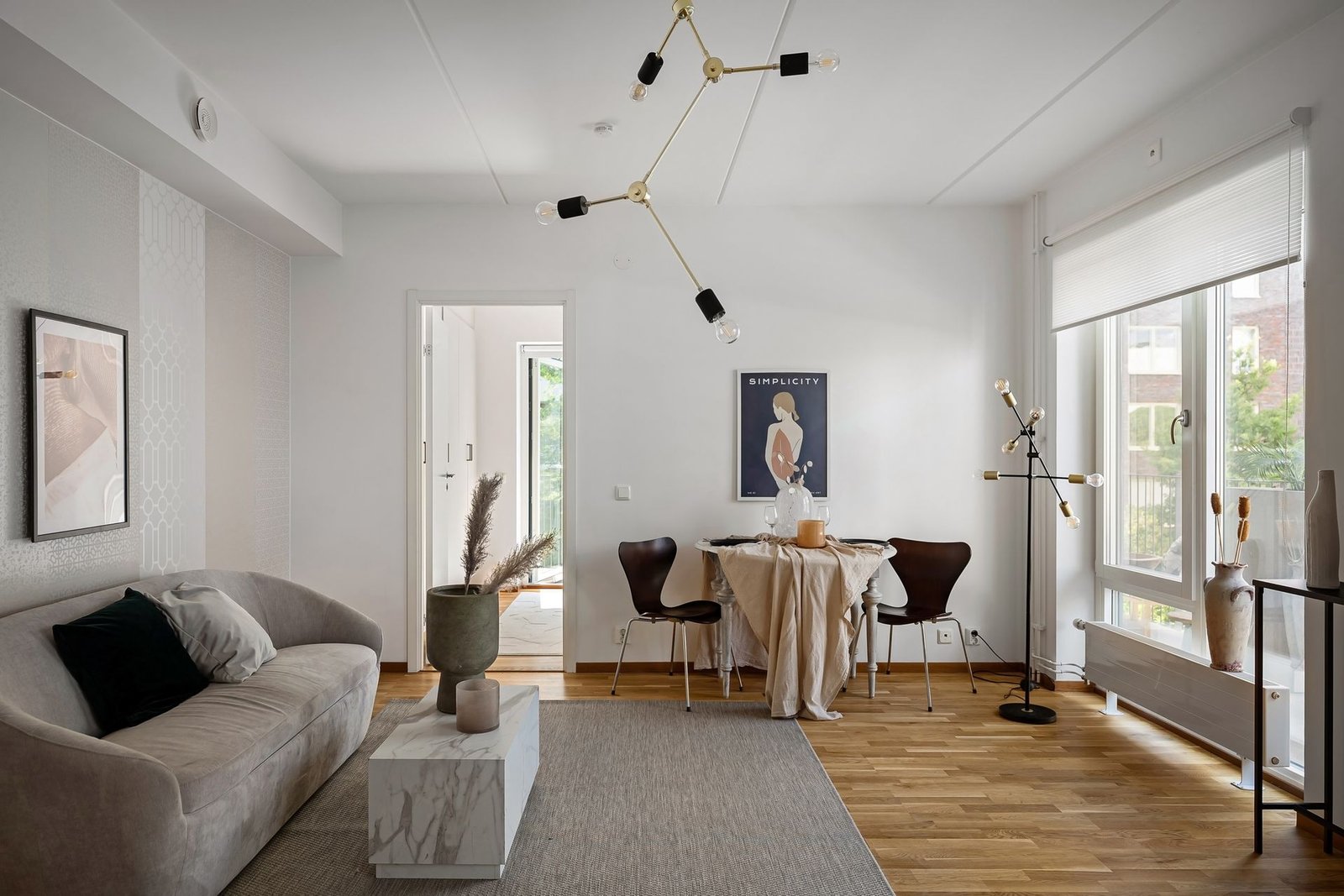
A small apartment is not a small life — Most tiny apartments do not feel cramped because they are small. They feel cramped because every surface is doing only one job, the light is flat, and the eye has nowhere to travel. Fix those three things and the same square footage starts to feel calm, open and intentional. The ideas below are built for renters and tight budgets. Nothing here needs a remodel, a landlord’s permission to knock down a wall, or a second mortgage. Start with the free moves, add one or two low-cost upgrades, and stop when the room feels right — a small room with one clear idea beats a small room stuffed with ten trends.
1. Go vertical before you go wider
Floor space is the scarcest thing in a small home, so stop shopping at floor level. One wall of open shelving, a tall bookcase that reaches the ceiling, and hooks on the back of a door can hold what a whole extra cabinet would hold — without eating a single square foot of walking space. Keep shelves edited: fifteen to twenty items on two shelves reads as curated, fifty reads as storage. Leave some breathing room on purpose. Empty space is not wasted space in a small room; it is what makes the room feel bigger.
2. Put a big mirror opposite the window
If you buy only one thing for a small apartment, make it a large mirror. Hung or leaned opposite the main window, it doubles the light and doubles the view, and the room instantly reads deeper. A tall arched or rectangular mirror works better than a cluster of tiny ones, which can chop the wall into pieces. In 2026 the go-to version is simple and renter-friendly: a lightweight, lean-against-the-wall mirror that needs no heavy drilling and photographs beautifully. If drilling is off limits, a leaning mirror and adhesive hooks for lighter pieces keep your deposit safe.
3. Choose furniture that does two jobs
Every large piece in a small home should earn its footprint twice. A storage ottoman is a coffee table, extra seating and a blanket box. A daybed or sleeper sofa makes a studio feel like a real living room by day and a bedroom by night. A fold-down wall desk disappears when work is done. An extendable table seats two on weekdays and six when friends come over. The rule is simple: if a piece only does one thing and takes up a lot of room, it has to go — or be replaced by a version that does more.
4. Fix the lighting, not just the lamp
Small rooms suffer most from a single cold ceiling light. Swap it for three warm sources at different heights: a floor lamp in a corner, a table lamp beside the sofa, and a small warm glow near the bed or reading chair. Warm 2700K bulbs make wood, linen and skin tones look soft instead of clinical, and a dimmer plug — often under $15 — turns one lamp into evening mood lighting. Light should graze a wall or a plant, not blast straight down. That one change alone can make a boxy rental feel like a home.
5. Zone the room with a rug, not a wall
Open-plan studios blur into one messy zone. A correctly sized rug fixes that without building anything: it tells the eye “this is the living area” and gives the sofa, coffee table and lamp a shared home. A rug that is too small, floating in the middle of the floor, does the opposite — it makes everything look lost. Layering works in 2026 too: a larger natural-fibre rug underneath and a smaller patterned rug on top adds warmth and makes the seating zone feel deliberate, not just small.
6. Keep one calm colour, then add warmth
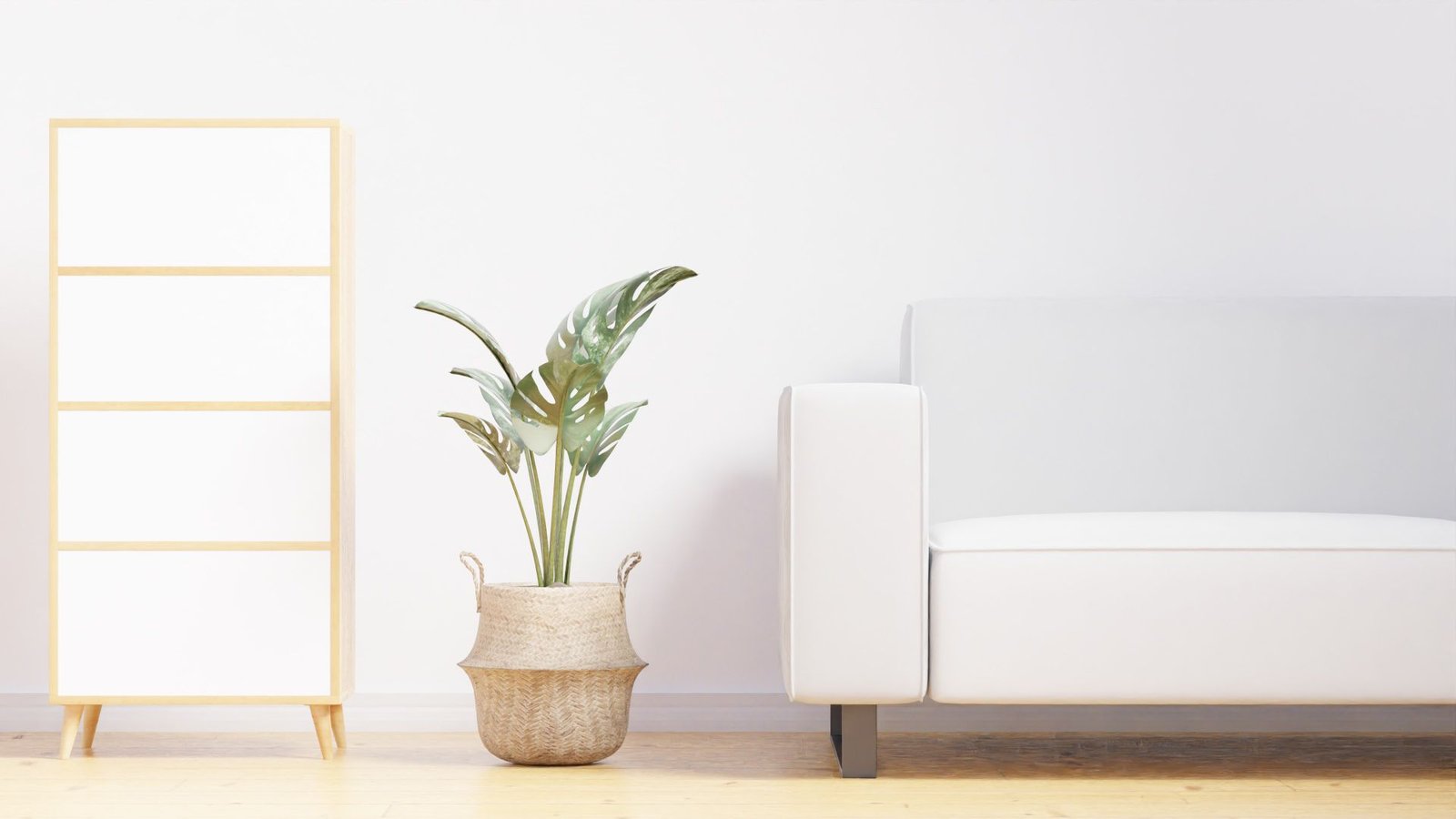
Pale, consistent colours reflect light and push the walls outward. Soft whites, warm creams and pale greiges are the safest base for a small space. If you cannot paint, keep the big pieces — sofa, bedding, curtains — in light tones and get the same effect. Warmth comes from texture, not from more colour. Linen curtains, a chunky throw, a jute rug, rattan baskets and light oak: together they stop a pale room from feeling cold or empty. This is warm minimalism in practice — fewer pieces, better textures.
7. Curves soften a boxy room
Small apartments are mostly rectangles, so a round coffee table, a curved armchair, an oval mirror or a kidney-shaped side table breaks the geometry and makes the room feel considered rather than cramped. One curve is enough. A small room with three statement shapes starts to feel like a furniture showroom; pick the curved chair or the sculptural lamp, not both.
8. Shop secondhand first
Secondhand is the smartest budget move in small-space decorating. Solid wood frames, lamps and shelving regularly sell for a fraction of retail on marketplace and thrift routes, and they can be cleaned, repainted or given a new shade. Prioritise solid wood and neutral upholstery, and skip used mattresses or pieces with structural damage. One quality piece you love beats five mediocre pieces cluttering a small room. Buy slowly, and let each piece earn its place.
9. The $0, under-$50 and under-$200 plan
You do not need to do everything at once. Work in tiers: $0: Rearrange the furniture, declutter ruthlessly, move art to a different wall, reposition lamps, and group small objects together instead of scattering them. Shopping your own home is free and often the biggest change of all. Under $50 each: New throw pillow covers, a trailing pothos or snake plant, string lights for warmth, a peel-and-stick accent, or a new lampshade. These are the fastest visible wins. $100–$200: A quality area rug, a statement mirror, peel-and-stick wallpaper for one accent wall, or upgraded curtains. Spend here only after the free moves are done — otherwise you are decorating clutter.
10. Fall touches that do not take over
For late October, keep seasonal decor small and flat-storing: a terracotta or rust runner in a galley kitchen, one styled tray on a cleared counter, warm throws and candlelight. A single tray with an oil bottle, a small plant and one fall accent reads as deliberate; five scattered items read as mess. When the season ends, the tray stays and the accent goes into one small box.
Mistakes that shrink a room
Avoid pushing every piece of furniture flat against the wall — pulling a sofa even a few inches out creates depth. Avoid dark, heavy curtains that block the only window. Avoid buying for a future bigger home; buy for the room you actually live in now, measured, not guessed. And avoid filling every empty corner. In a small home, restraint is the luxury.
Start tonight, with three moves
If you do nothing else this week, do these three: hang or lean one large mirror opposite the window, add two more warm light sources, and clear one surface completely before styling it back with only what you use daily. Three moves, one evening, and the room will already feel different. The rest — shelves, rugs, curves, secondhand finds — can follow one piece at a time. That is the whole secret of small-space decorating: not more stuff, but better decisions about light, height and the few pieces that stay.